Exclusive Offer: Complimentary certified lab-grown diamond (up to 2.50 carats) with your custom 18K ring by Alex.

By appointment only · Limited engagement commissions accepted

Engagement Rings Toronto, Designed as Personal Commissions

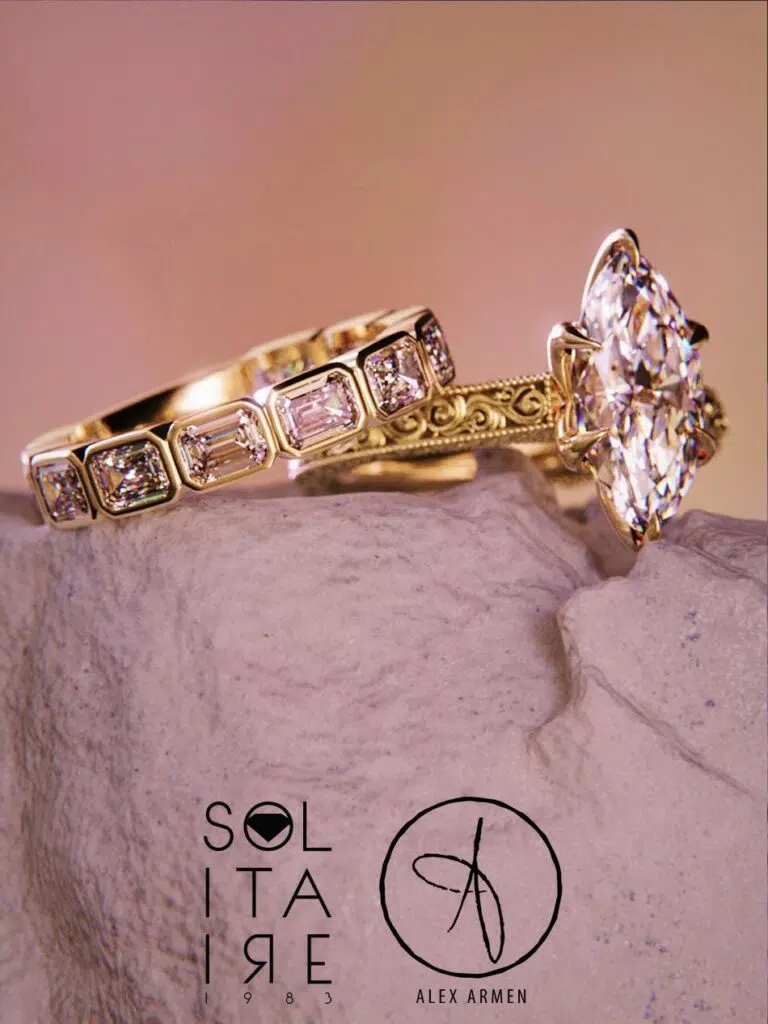
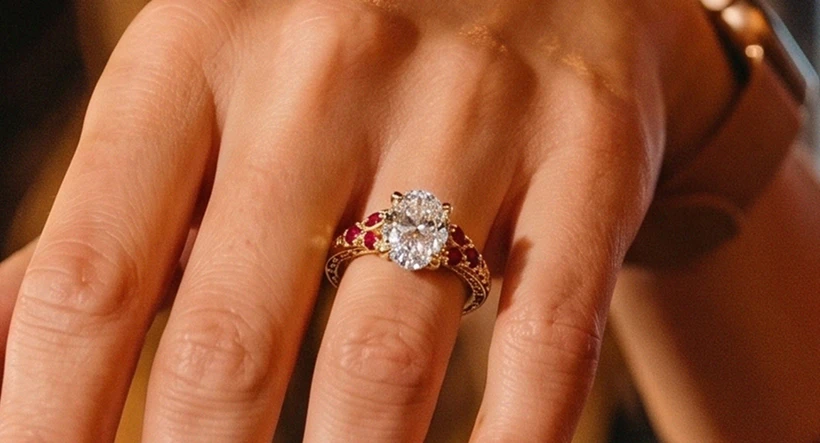
Each engagement ring in Toronto is individually designed by artist Alex Armen, guided by your story, lifestyle, and long‑term vision.

Not a Collection. A Commission.

We do not offer preset designs or catalogue rings.

Every engagement ring in Toronto begins from a blank page and is designed one‑on‑one to reflect a relationship, not a trend.


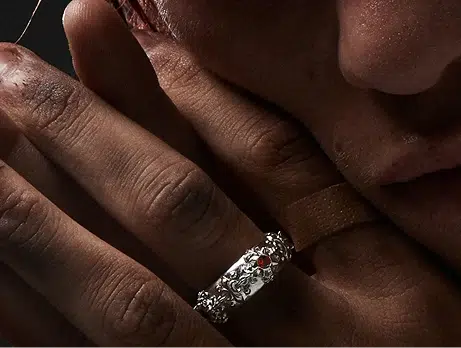
Whether the result is understated or architectural, classic or unconventional, the ring is created with intention — never repetition.


Created for a Lifetime of Wear

An engagement ring is worn every day, for decades.
Its success lies not only in beauty, but in proportion, comfort, durability, and balance.

Before any design is finalized, we consider:

How the ring will be worn daily

Long‑term wear and maintenance

Hand shape, scale, and movement

Structural integrity and setting security

This is jewellery designed to age well — visually and physically.

Diamond & Gemstone Selection

Stones are selected for character, not checklists.
We source natural and lab‑grown diamonds, as well as rare colored gemstones, for the best engagement rings in Toronto, chosen for:

Cut quality and light performance

Natural beauty and individuality

Structural suitability for long‑term wear

Clients are guided through selection privately, with clarity and discretion — never pressure.

The Design Process

As one of the best engagement ring stores in Toronto, we ensure each design stage is deliberate, focused, and personal.

Private Consultation

A one‑on‑one conversation with Alex Armen to understand your partner, their preferences and intent.

Design Development

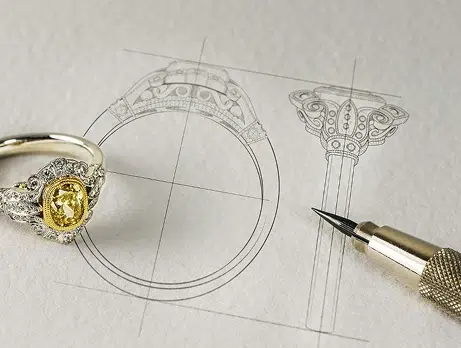
Concept sketches and design direction are refined collaboratively, with careful attention to proportion and detail.

Creation & Delivery

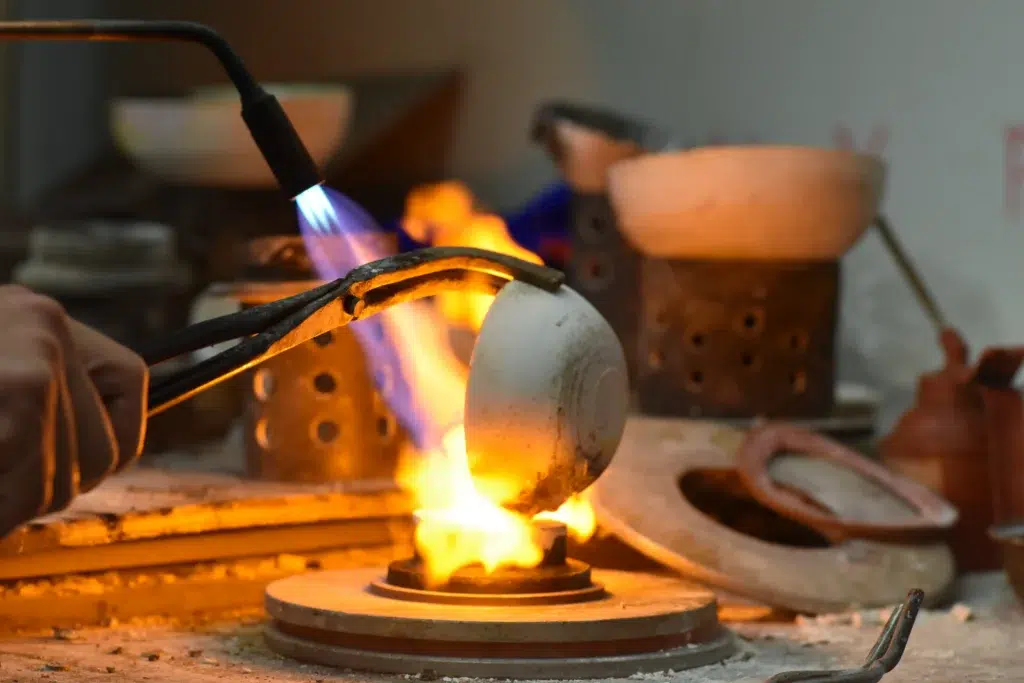
Your ring is crafted using time‑honoured techniques and exceptional materials, then finished, set, and delivered with care.

Private Consultation

A one‑on‑one conversation with Alex Armen to understand your partner, their preferences and intent.

Design Development

Concept sketches and design direction are refined collaboratively, with careful attention to proportion and detail.

Creation & Delivery

Your ring is crafted using time‑honoured techniques and exceptional materials, then finished, set, and delivered with care.

The Design Process

Our engagement ring design in Toronto is never rushed.

Each commission is scheduled to ensure proper focus and attention, balancing efficiency with craftsmanship.


We accept a limited number of engagement projects at a time.

By Referral & Appointment

Our engagement ring work is primarily referral‑based.
Clients come to us seeking discretion, originality, and a process that feels calm and considered.


If this approach resonates, we invite you to request a private consultation for engagement rings in Toronto.

JOIN OUR SOCIAL

FOLLOW US ON INSTAGRAM

CLIENT ASSISSTANCE

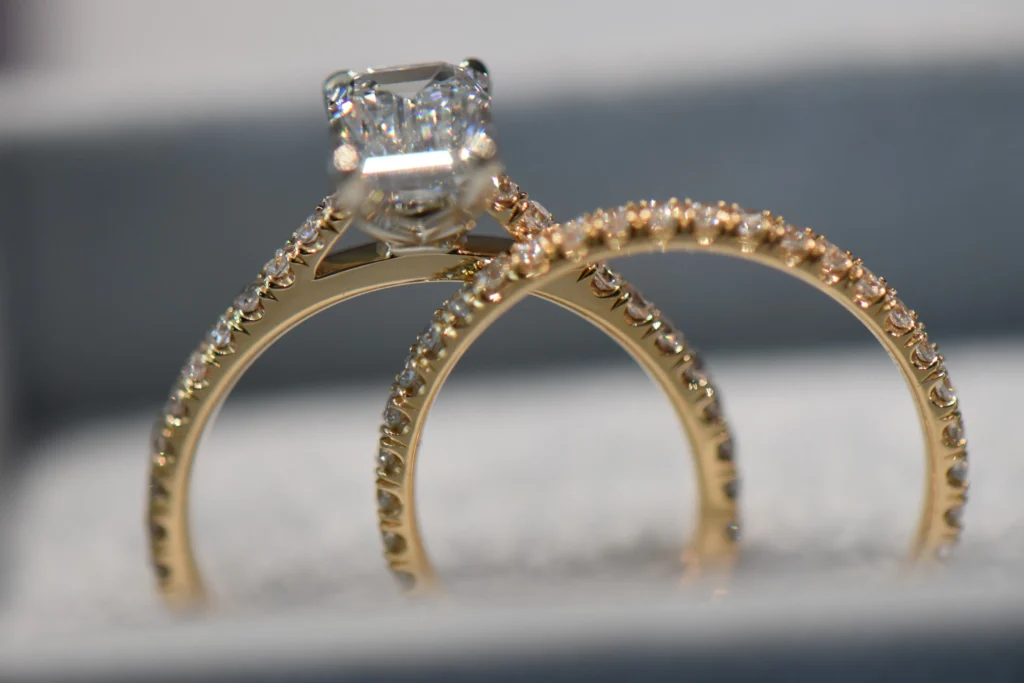
Among the most popular custom diamond ring designs include: Solitaire, hidden halo, cluster, vintage, and organic designs.

Although natural and lab-grown diamonds look alike and are graded equally by the GIA and IGI, their production process is the main differentiating factor. Natural diamonds have been formed naturally for millions of years, while lab-grown diamonds are manufactured from diamond seedlings.The cutting and polishing process for both are the same. However, natural diamonds cost more and may better retain value compared to lab-grown ones.

  1. Carat
  • Scientific Elaboration:
    • Mass: The carat directly correlates with the size of the diamond; larger diamonds are typically rarer and hence more valuable.
    • Density: Diamonds have a specific gravity of around 3.52, meaning that for every carat, the volume of the diamond can be calculated using density (mass/volume).
    • Impact on Value: While carat impacts perceived size, it doesn’t directly correlate with value per carat — larger diamonds often have a higher price per carat due to rarity.
  • Layman’s Explanation:
    • Carat is like the weight of the diamond. One carat equals 200 milligrams, so the bigger the diamond, the more carats it has. But just because a diamond is big doesn’t mean it’s automatically more valuable; it’s all about how rare that size is.
  1. Cut
  • Scientific Elaboration:
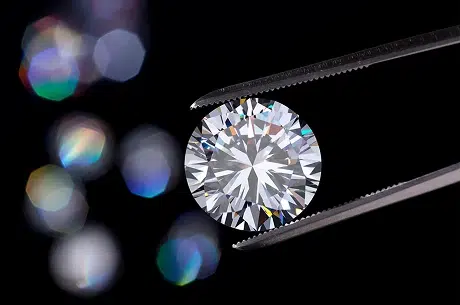
    • Light Performance: A well-cut diamond reflects light internally from one facet to another, maximizing brilliance, fire, and scintillation.
    • Proportions and Symmetry: The cut affects how light exits the diamond. Ideal proportions ensure light is returned to the observer’s eye rather than leaking out the bottom or sides.
    • Grades: Cut grades like Excellent, Very Good, Good, etc., are based on proportions, symmetry, and polish, which are determined using precise measurements and optical analyses.
  • Layman’s Explanation:
    • Cut is about how the diamond is shaped and polished. A good cut makes the diamond sparkle a lot because it reflects light in the best way. If it’s cut poorly, the diamond might look dull because light escapes instead of bouncing back to your eye.
  1. Color
  • Scientific Elaboration:
    • Color Scale: Diamonds are graded on a scale from D (colorless) to Z (light yellow or brown).
    • Molecular Structure: Diamond’s color comes from nitrogen atoms that can replace carbon atoms in the crystal lattice, absorbing certain wavelengths of light.
    • Spectroscopy: Advanced techniques like UV-Vis spectroscopy can measure color by analyzing how light is absorbed or transmitted through the diamond.
  • Layman’s Explanation:
    • Color looks at how clear or colored the diamond is. The best diamonds are almost completely colorless. Any color you see reduces the grade because ideally, diamonds should look like they’re made of light.
  1. Clarity
  • Scientific Elaboration:
    • Inclusions and Blemishes: Inclusions are internal flaws (like crystals or feathers), whereas blemishes are external (like scratches or nicks).
    • Microscopy: A gemologist uses a 10x magnification loupe or microscope to grade clarity. The size, number, position, nature, and relief of inclusions are considered.
    • Impact on Light: While inclusions can affect the diamond’s transparency and brilliance, they can also add to its uniqueness or, in some cases, enhance its value if they create special effects like asterism.
  • Layman’s Explanation:
    • Clarity checks for any tiny imperfections inside or marks on the surface of the diamond. Most of these can’t be seen with the naked eye, but they’re there. A diamond with fewer or smaller flaws will be clearer and usually more valuable, though sometimes these flaws can make a diamond special or even more desirable.

This dual explanation should give you a comprehensive understanding of how each ‘C’ affects the quality, value, and appeal of a diamond.

  • Unmatched Personalization: At Solitaire x Alex Armen, your jewelry isn’t just an accessory; it’s a piece of your story. Every piece is tailored to your taste, ensuring that your jewelry is as unique as you are.
  • Artisan Excellence: Alex Armen brings a legacy of meticulous craftsmanship to the table, combined with Solitaire’s expertise in selecting and setting the finest gems. This collaboration means your custom jewelry will not only be beautiful but also of the highest quality.
  • Toronto’s Unique Touch: Working with Solitaire x Alex Armen gives you access to designs that are exclusive to their Toronto studio. You’re not just buying jewelry; you’re investing in a piece that reflects the city’s vibrant, diverse art scene, crafted just for you.

When buying diamonds, one must consider the following:

  • 4 Cs: Carat, Cut, Color, Clarity.
  • Certification: GIA, IGI for authenticity.
  • Budget: Balance cost with quality.
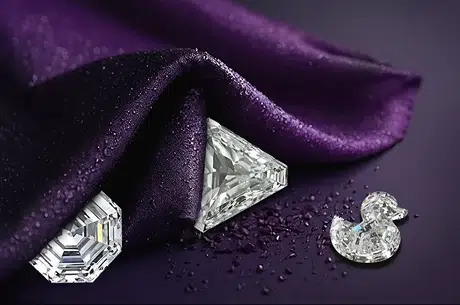
  • Shape: Round, princess, or fancy cuts.
  • Ethical Sourcing: Conflict-free diamonds.
  • Setting: Enhances diamond’s appearance.
  • Fluorescence: Effect on color under UV light.
  • The seller’s experience and reputation.

When buying gemstones, one must consider the following:

  • Type: Ruby, sapphire, emerald, etc.
  • Color: Hue, saturation, tone.
  • Clarity: Inclusions affect value and appearance. Some gems look beautiful with natural inclusions.
  • Cut: Quality of craftsmanship.
  • Carat: Size and weight.
  • Treatment: Heat, irradiation, or none.
  • Origin: Some locales add value.
  • Durability: Hardness for everyday wear.
  • Price: Reflects rarity and quality.
  • Symbolism: Birthstone, cultural significance, healing properties, color symbolism.
0