
A ring begins long before a diamond is set
A finished engagement ring is a small object, but it carries a large responsibility. It represents a promise, a milestone, and often becomes a piece that is passed through generations.
Because of that, creating a custom engagement ring is not simply a matter of selecting a diamond and placing it into a setting. A truly exceptional ring requires a series of decisions—some visible, many hidden—that determine how it will look, feel, and endure over decades.
Every curve, every millimetre of metal, and every setting choice has a purpose.
The beauty is in the details most people will never see.
The First Conversation: Understanding the Person Behind the Ring
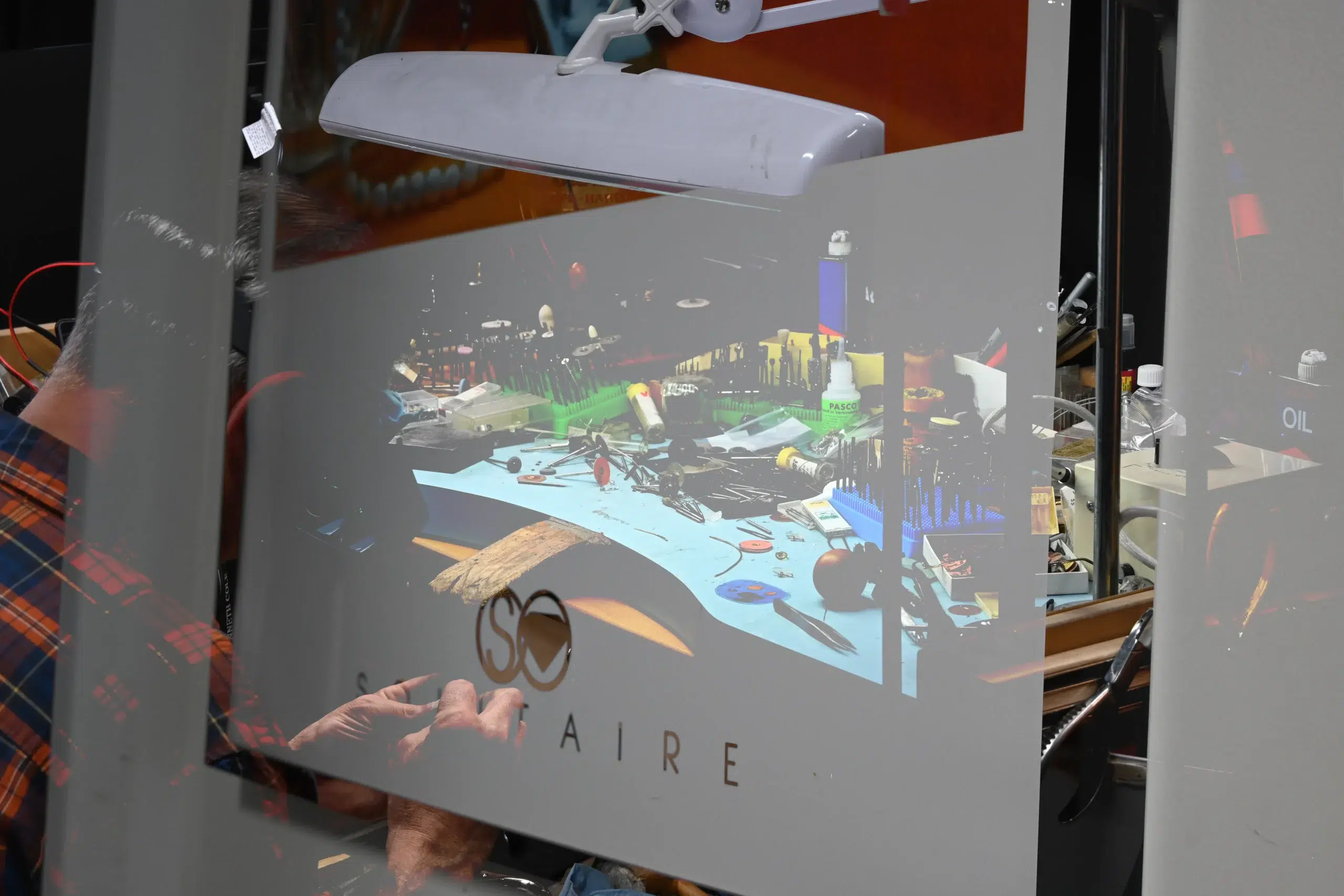
Before we draw anything, we listen.
The most important part of creating a custom piece is understanding what the ring needs to represent.
A client may arrive with an image of a ring they love, but our job is not simply to copy a photograph. Our job is to understand the emotion behind it.
Is the person drawn to:
simplicity and elegance?
vintage character?
architectural structure?
maximum brilliance?
a delicate appearance?
something completely unique?
Two people may both request a solitaire engagement ring, but the final creations may be completely different because the people behind them are different.
A ring should reflect the wearer—not just current trends.
Translating an Idea Into Design
A jeweller works between two worlds:
The emotional world of ideas, memories, and inspiration.
And the physical world of metal, gemstones, weight, balance, and engineering.
A beautiful design must exist in both.
During the design stage, we consider:
How will the diamond sit on the hand?
How much light should enter the stone?
How will the ring feel when worn every day?
Where does strength need to be added?
Where can metal be refined without compromising durability?
A ring is not a sculpture that sits in a display case.
It is an object meant to live with someone.
Sketching: Where the Character Appears
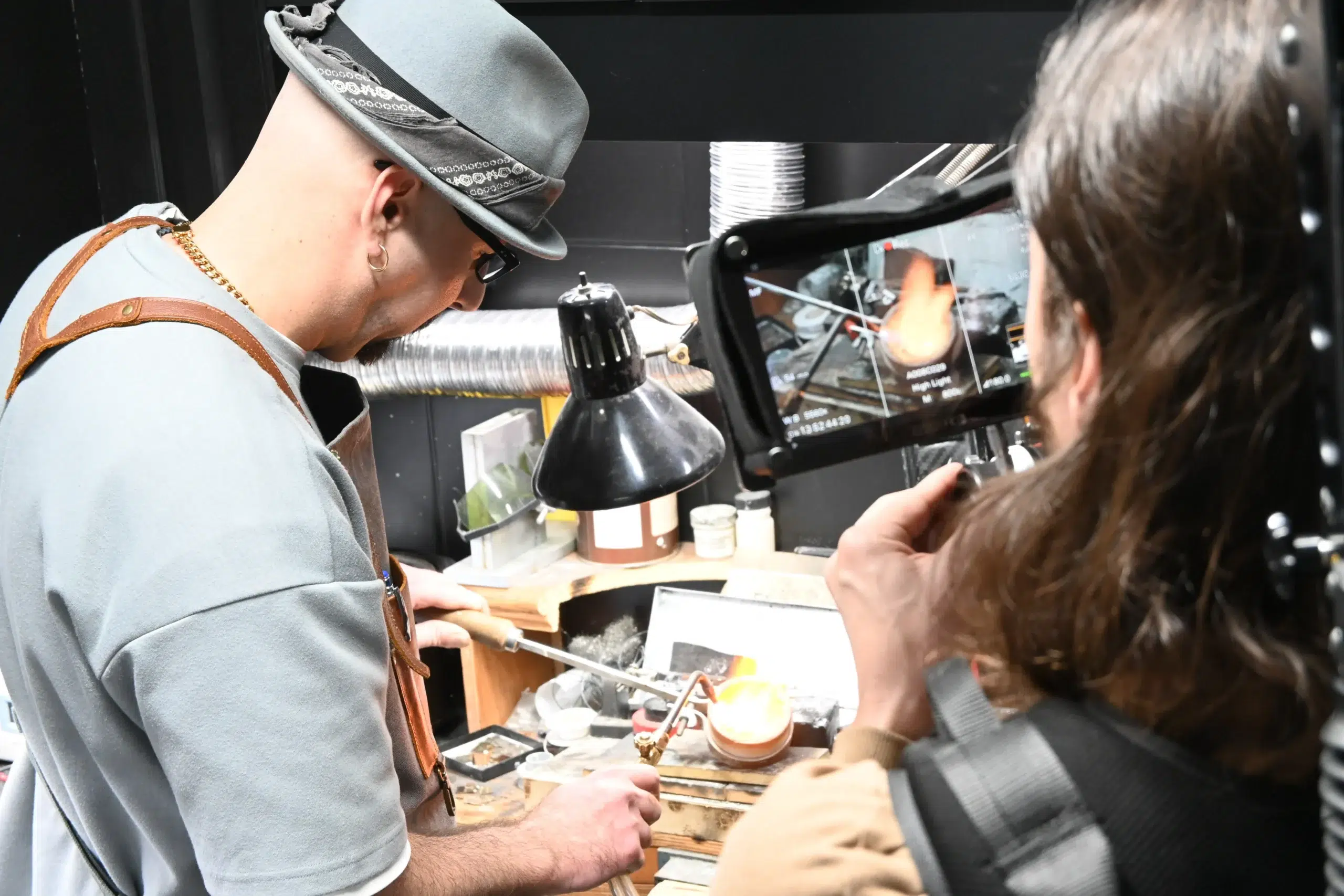
The first drawings are not about perfection.
They are about discovering the personality of the piece.
A sketch allows us to explore:
proportions,
silhouette,
movement,
balance,
relationship between the centre stone and the surrounding design.
At this stage, we often make decisions that will never be obvious in the final ring—but they define everything that follows.
A slight change in the angle of a shoulder can completely change how a diamond appears.
A subtle adjustment to height can affect both elegance and wearability.
From Design to Structure
Once the design direction is established, the ring moves from imagination into engineering.
This is where experience becomes critical.
A ring must answer practical questions:
Will the setting protect the stone?
Will the shank maintain its shape?
Are delicate details supported properly?
Can the ring be comfortably worn every day?
Will it age gracefully?
The finest jewellery is not only beautiful when it is new.
It is beautiful after years of life.
The Importance of Proportion
One of the differences between a good ring and an exceptional ring is proportion.
A diamond can be extraordinary, but if the surrounding structure is not balanced, the entire piece feels wrong.
We consider:
the width of the band compared to the centre stone,
the height of the setting,
the relationship between negative space and metal,
how the ring looks from every angle.
A ring should be considered from above, from the side, and from underneath.
The unseen areas often reveal the quality of the craftsmanship.
Craftsmanship: Bringing the Design to Life
Once the design is finalized, skilled hands transform the concept into reality.
Depending on the piece, this may involve:
preparing the metal,
shaping and refining components,
assembling individual elements,
setting gemstones,
finishing surfaces,
polishing,
inspecting every detail.
Stone setting requires patience and precision.
Each gemstone must be secure while allowing maximum beauty.
Too much metal can hide brilliance.
Too little can compromise security.
The goal is balance.
The Final Inspection
Before a ring leaves the workshop, it is examined from every perspective.
We look at:
symmetry,
alignment,
polish,
stone security,
comfort,
finishing details.
The final piece should not only look beautiful in photographs.
It should feel right when worn.
The Difference Between Making a Ring and Creating an Heirloom
A ring can be made quickly.
An heirloom requires thought.
The difference is the consideration given to every decision:
Why this shape?
Why this metal?
Why this setting?
Why this proportion?
The best jewellery does not announce its craftsmanship loudly.
It reveals itself slowly—through the way it catches light, the way it feels on the hand, and the way it continues to be worn decades later.
A custom engagement ring is not finished when it leaves the workshop.
That is when its story begins.
