
A ring is not finished when it leaves the workshop
The day an engagement ring is presented is one of its most important moments.
The light catches the diamond.
The design is revealed.
The emotion of the occasion becomes connected to the piece.
But for a master jeweller, that moment is only the beginning.
A truly exceptional custom engagement ring is not designed only for the proposal, the photographs, or the celebration.
It is designed for everything that follows:
The years of wearing it.
The daily routines.
The celebrations.
The unexpected moments.
The decades of memories.
A beautiful ring must also be a durable ring.
Beauty Without Strength Is Incomplete
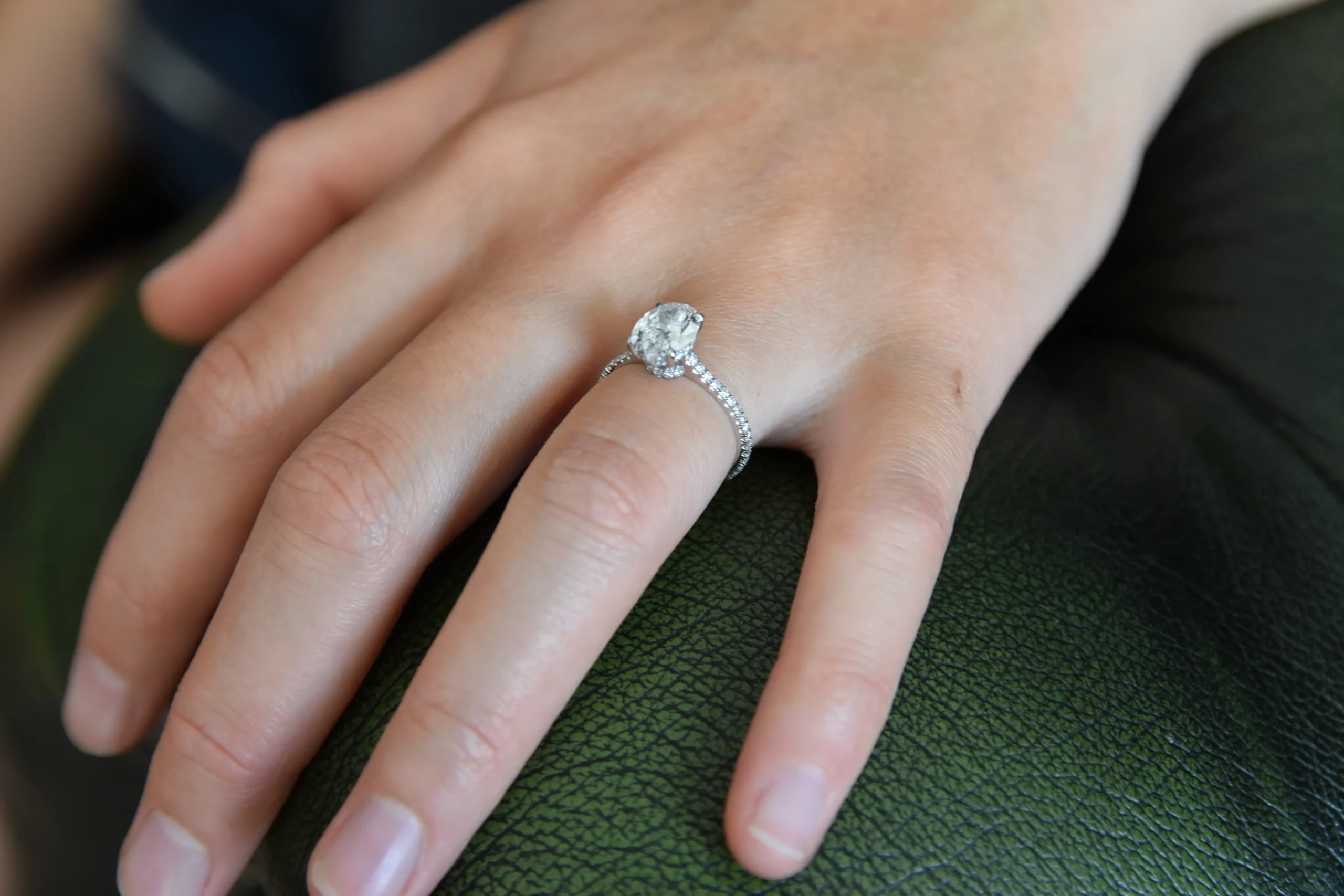
Jewellery exists in a unique space.
It must be delicate enough to be beautiful but strong enough to endure.
These goals can appear contradictory.
A client may want:
a very thin band,
a low-profile setting,
a floating diamond appearance,
delicate pavé details.
All of these can create incredible beauty.
But each introduces engineering considerations.
The question is never:
“How do we make the ring as thin as possible?”
The question is:
“How do we achieve the desired appearance while preserving strength?”
That is where experience becomes essential.
Designing for Real Life
An engagement ring is worn on one of the busiest parts of the body.
Hands experience:
movement,
impact,
friction,
temperature changes,
contact with everyday objects.
A ring must be designed with this reality in mind.
A master jeweller thinks beyond the display case.
They consider:
How does this ring move?
Where will pressure occur?
Which areas require reinforcement?
Which details need protection?
A ring should not require the wearer to live cautiously.
It should be designed to live with them.
The Foundation: The Shank
The shank is the structural foundation of the ring.
Its proportions influence:
durability,
comfort,
appearance.
A shank that is too thin may lose material over many years.
A shank that is too heavy may overpower the design.
The goal is balance.
The best shanks are often the ones people do not notice.
They feel natural.
They support the design without demanding attention.
Metal Thickness: Precision, Not Excess
More metal does not automatically mean better craftsmanship.
A poorly designed ring can be made heavy without being elegant.
The skill lies in placing material where it matters.
A jeweller considers:
areas exposed to wear,
stress points,
transitions between components,
how the ring will age.
A refined ring is not necessarily a fragile ring.
Precision allows strength without unnecessary weight.
The Setting: Protecting the Heart of the Ring
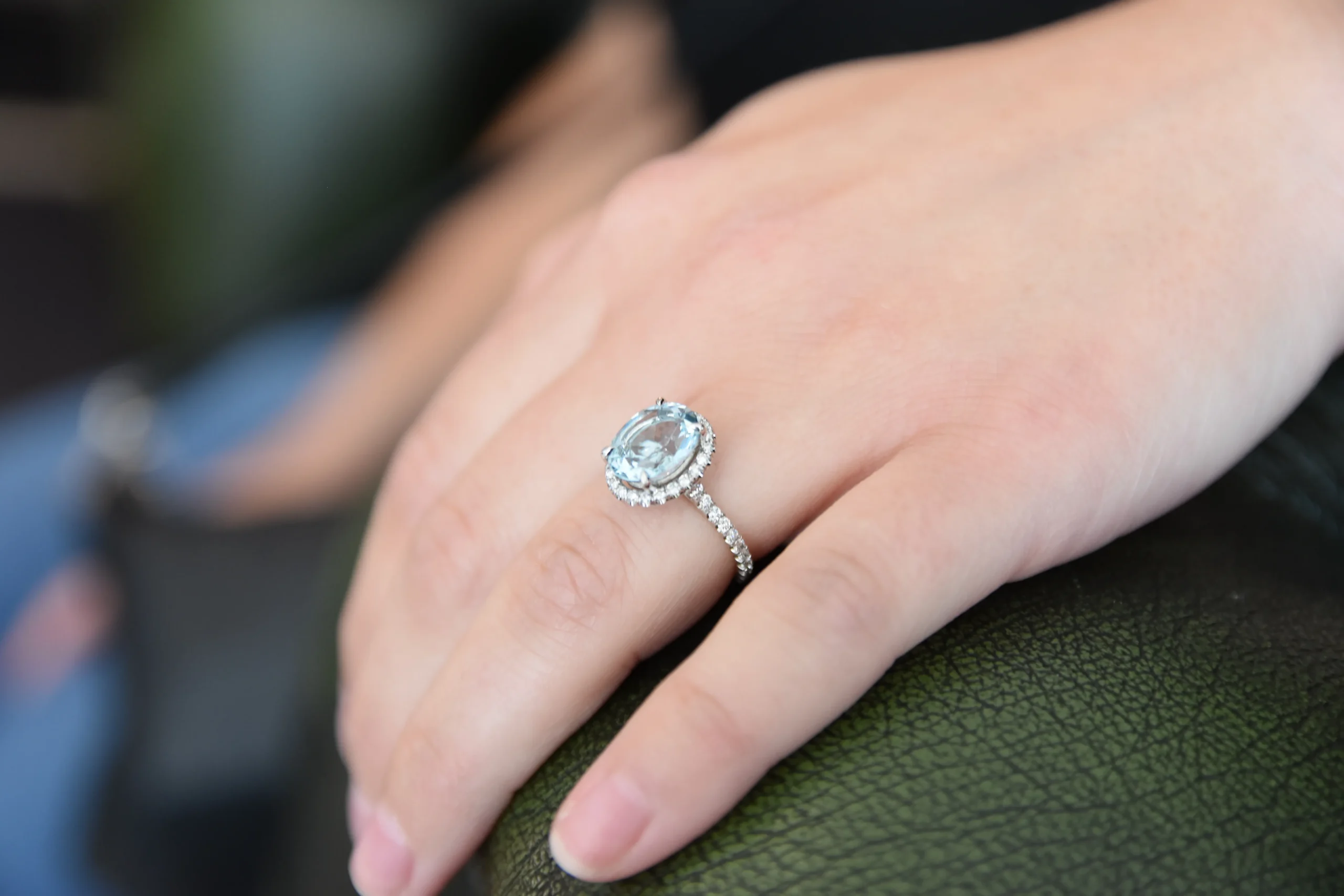
The diamond setting is where engineering becomes most visible.
A centre stone must be secure, but the setting must also allow the diamond to perform visually.
Important considerations include:
prong placement,
support structure,
height,
protection of vulnerable areas,
accessibility for future maintenance.
A setting should protect the diamond without hiding it.
Low Profile vs. High Profile Settings
Clients often ask:
“Should my diamond sit high or low?”
Neither is universally correct.
A higher setting can:
create more visual presence,
allow more light interaction,
accommodate certain wedding band styles.
A lower setting can:
feel more secure,
be easier for daily wear,
create a modern, understated appearance.
The right choice depends on:
lifestyle,
diamond shape,
personal preference,
design goals.
Pavé and Micro-Setting: The Importance of Precision
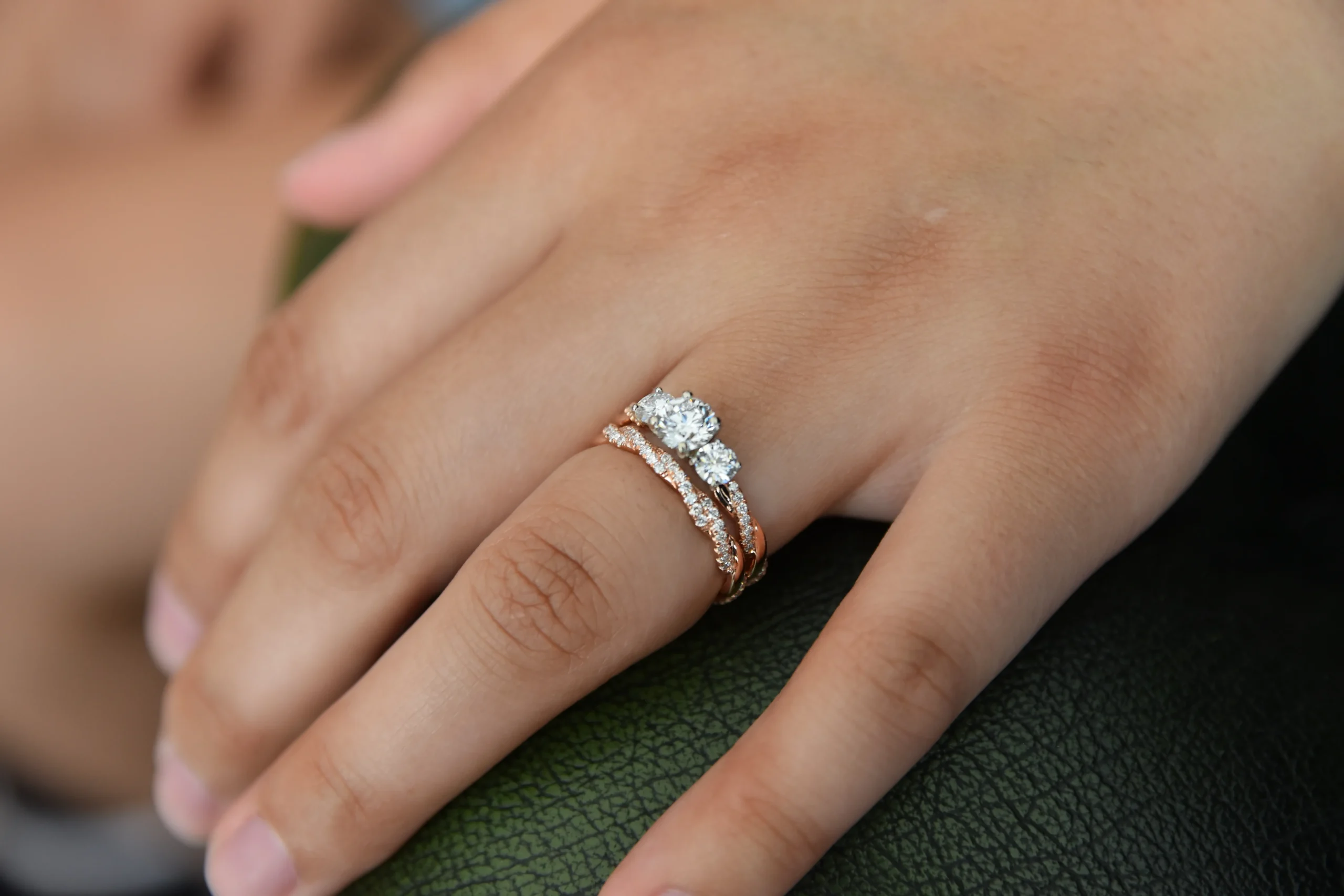
Small diamonds set into a band create incredible detail.
But small stones require exceptional accuracy.
The setter must consider:
spacing,
alignment,
metal support,
consistency.
A pavé surface should appear continuous.
The viewer should notice the brilliance—not the individual mechanics holding each stone.
Hidden Strength: The Details Most People Never See
Many of the most important decisions happen in areas that are rarely photographed.
Examples:
reinforcement behind a setting,
carefully designed transitions,
properly supported galleries,
smooth interior finishing.
These decisions determine whether a ring remains beautiful over time.
Craftsmanship often exists where nobody is looking.
Designing for Maintenance and the Future
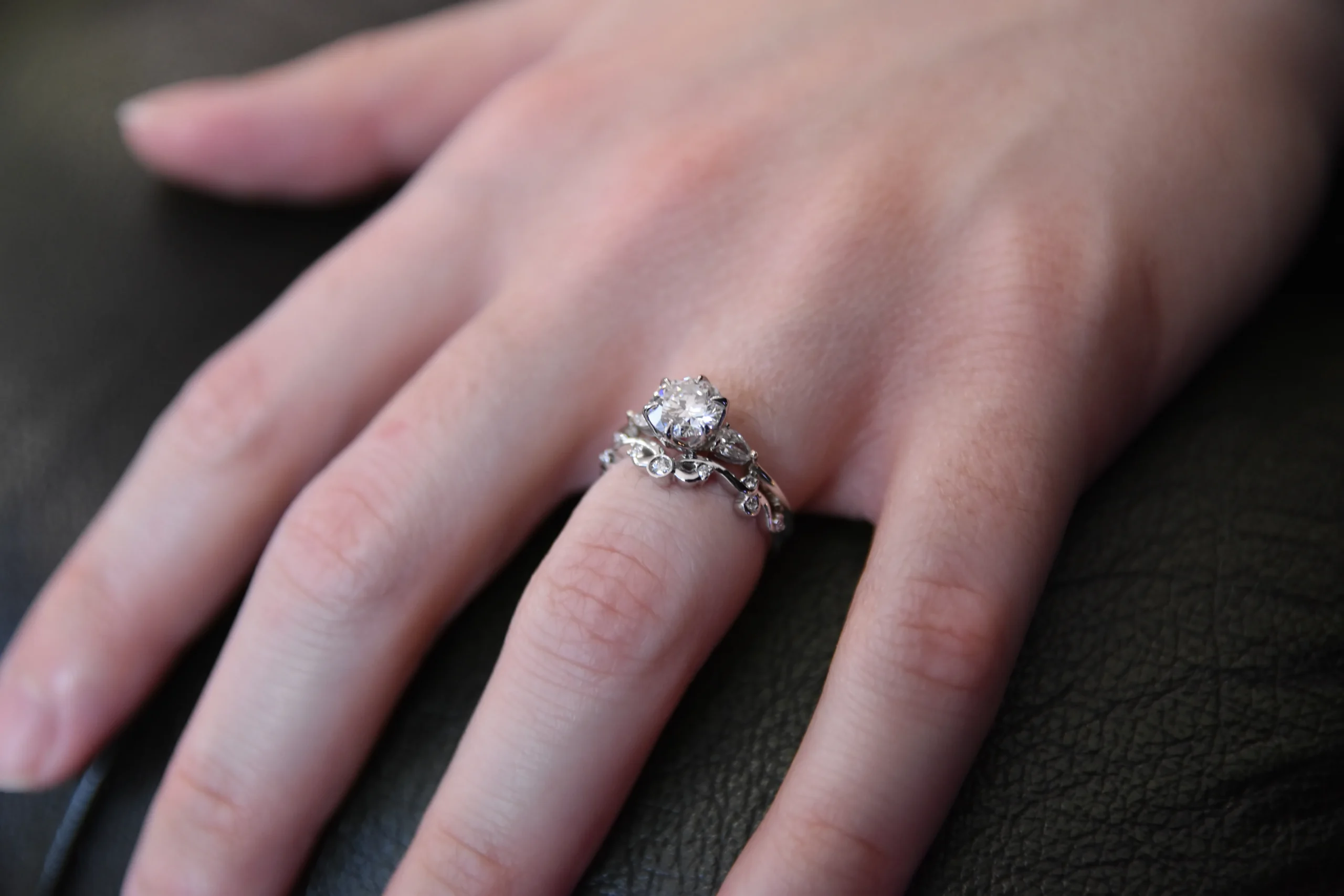
Every fine piece of jewellery requires care.
A responsible jeweller considers future service during the original design.
Questions include:
Can the ring be inspected easily?
Can worn areas be repaired?
Can stones be tightened?
Can the piece be restored without losing its character?
The best jewellery is designed with its future in mind.
Why Heirloom Jewellery Requires Different Thinking
A fashion piece may be designed around a season.
An heirloom piece is designed around generations.
A ring intended to last decades requires:
timeless proportions,
quality materials,
thoughtful construction,
skilled finishing.
Trends change.
Good design remains.
The Difference Between Making a Ring and Engineering an Heirloom
Anyone can create something visually attractive.
Creating something that survives time requires deeper thinking.
A master jeweller asks:
“Will this still be beautiful in twenty years?”
“Will it still feel comfortable after a lifetime of wear?”
“Will someone proudly pass this to another person?”
Those questions guide every decision.
The Final Measure of Craftsmanship
The finest engagement rings do not announce their engineering.
They simply perform.
The diamond remains secure.
The ring remains comfortable.
The details remain refined.
The beauty remains intact.
That is the quiet achievement of good jewellery design:
Creating something that feels effortless because every decision has been carefully considered.
A ring made for one moment becomes meaningful.
A ring engineered for a lifetime becomes an heirloom.
