
Emeralds are romantic in their own way and make an engagement ring stand out from the usual diamond or sapphire. But behind the scenes, a jeweller working with an emerald treats the stone quite differently from the moment it arrives on the bench. Emeralds are no less valuable or no less worthy of being worn every day; it’s just that the stone itself requires a different level of care at every stage, from cutting through to how the ring is worn and cleaned years later.
Why Emeralds Require a Different Starting Point
On paper, emeralds score a decent 7.5 to 8 on the Mohs scale of hardness, not far behind sapphire. In reality, most emeralds are formed with natural internal inclusions and fractures, which make them considerably more brittle than that number suggests. A jeweller who treats an emerald like a diamond, who cuts an emerald like a diamond, who sets an emerald like a diamond, who cleans an emerald like a diamond, is much more likely to get into trouble than one who understands what is really going on inside the stone.
Almost Every Emerald Is Treated, and That’s Normal
Most emeralds on the market have been oil or resin treated to fill surface-reaching fractures, improving clarity and making internal flaws less visible. “This is the usual industry practice and is widely accepted and is not a red flag. Reputable jewellers are upfront about this and don’t hide it. Certifying labs often grade the degree of this treatment, from slight to significant, which is good to know before you buy, as it affects both how it looks and how the stone should be cared for in the future.
The Case for the Emerald Cut
The emerald cut was not made as a style choice first; it was developed to protect this brittle stone. Its stepped rectangular facets and trimmed corners help lessen pressure at the points most likely to chip during cutting and everyday wear. That’s part of why the cut bears the stone’s name; it was designed around emerald’s particular vulnerabilities, rather than being adapted from a cut intended for a harder gem.
Long-Term Setting Choices That Protect an Emerald
A setting that exposes the edges of an emerald puts that stone in greater danger than the same setting would a diamond. A bezel or halo setting, which encircles more of the stone’s perimeter with protective metal, is generally a safer long-term choice than a simple prong setting that leaves corners and edges exposed to everyday knocks.
Cleaning and Care Rules That Are Different for Emeralds
Diamond jewellery is often cleaned with ultrasonic and steam cleaners, but they can really damage an emerald. Ultrasonic cleaning vibrations can worsen any internal fractures that may already be present. Steam can cause the oil treatment to sweat back out of the stone, dulling its clarity. A good standard for cleaning an emerald engagement ring without damaging the treatment that gives it that beautiful, finished look is warm water, mild soap, and a soft cloth.
What to Look for in a Certification
A proper emerald certification should clearly state the level of treatment. Words such as insignificant, minor, moderate or significant oil are commonly found on lab reports. This matters for two reasons: it affects the stone’s value and indicates how carefully the ring should be handled and cleaned. A jeweller who can explain to you what the certification actually means is a good sign that you’re working with someone who knows the stone.
Choosing a Jeweller Who Knows the Differences
Not every jeweller has enough experience with emeralds to know these facts firsthand. Cutting, setting and finishing a good emerald requires a type of care that a high-volume, mass-production approach doesn’t always allow. It makes a real difference working with someone who sees the stone as its own category, and not a substitute for a green diamond, and who considers how the finished ring will hold up over time.
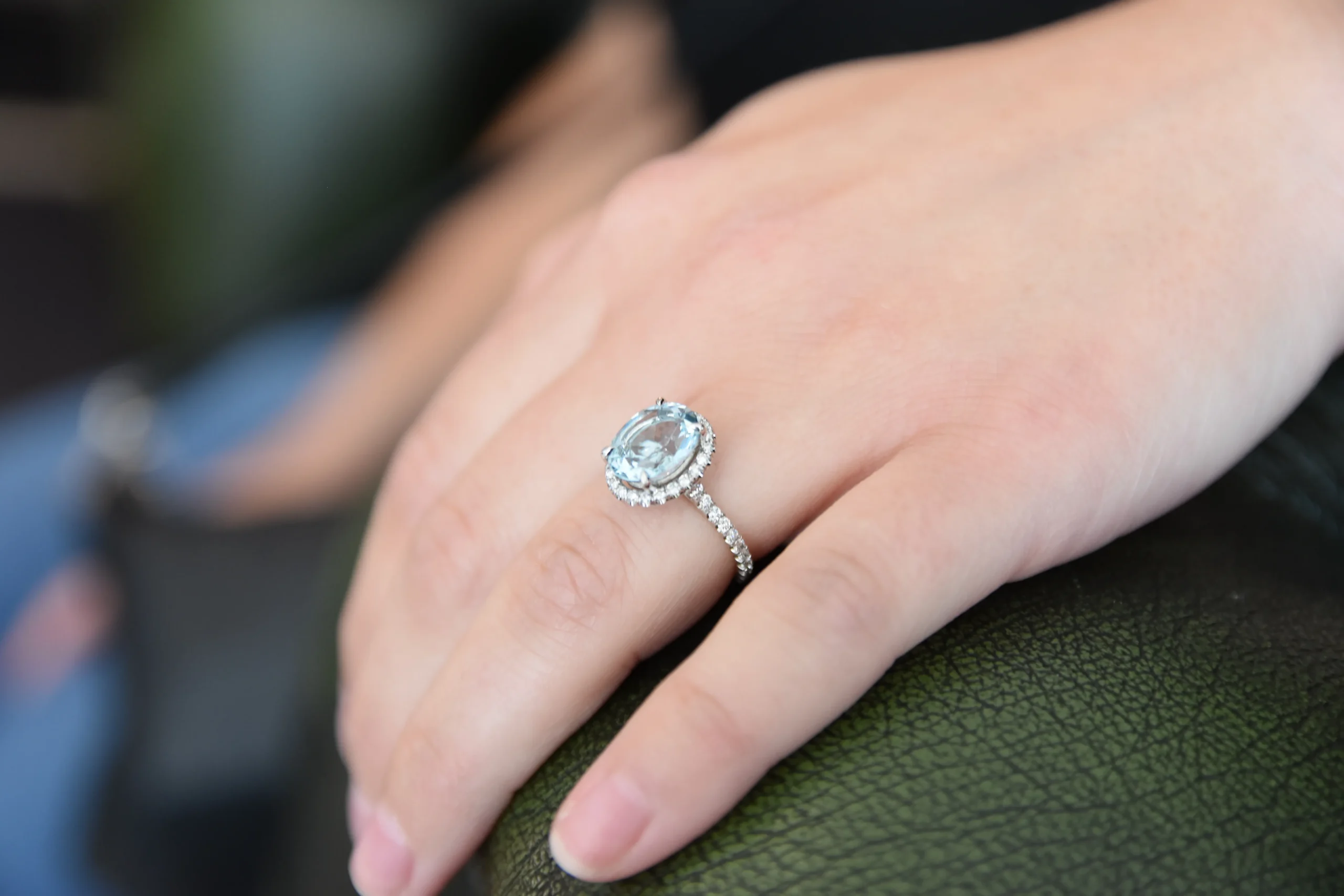
Custom Craftsmanship That Understands Every Stone: Solitaire x Alex Armen.
Emerald engagement rings require a jeweller who sees them as a category unto themselves, from the cut and setting to how the finished ring is looked after in the years to come. Getting these details right from the start is what separates a ring that ages beautifully from one that runs into preventable problems.
Solitaire x Alex Armen brings you certified, authenticated stones and the right craftsmanship to match, so you know exactly what level of treatment you are getting and how your emerald was set to protect it for the long haul. Every custom order comes with a clear return and refund policy, so picking an emerald doesn’t have to be a leap of faith. Speak with Solitaire x Alex Armen about creating a custom emerald engagement ring tailored to the stone’s specific needs, not a one-size-fits-all approach.
FAQs
Are emeralds too soft to wear as an engagement ring?
They are not too soft, but more brittle than you would expect from the rating due to natural internal inclusions. If you choose the right setting and care for it properly, emeralds make a good everyday engagement ring stone.
What is oil treatment for an emerald?
Most emeralds are oiled or resin-treated to fill surface fractures and improve clarity. This is common practice in the industry, and the certification reports will usually state how much treatment a particular stone has received.
Can I clean my emerald engagement ring at home?
Yes, use mild soap, warm water, and a soft cloth. Do not use ultrasonic or steam cleaners, either of which can worsen internal fractures or cause the oil treatment to ooze from the stone
