
Some of the best rings begin with a stone that already has a story. A diamond from a grandmother, a gem purchased on a trip, a stone that has been waiting in a drawer for the right moment. When you create a custom ring with your own stone, the design is based upon the stone, not the other way around. That means you need to consider both how safely the stone can be set and whether it should be recut at all. This manual will walk you through the decisions as they arise.
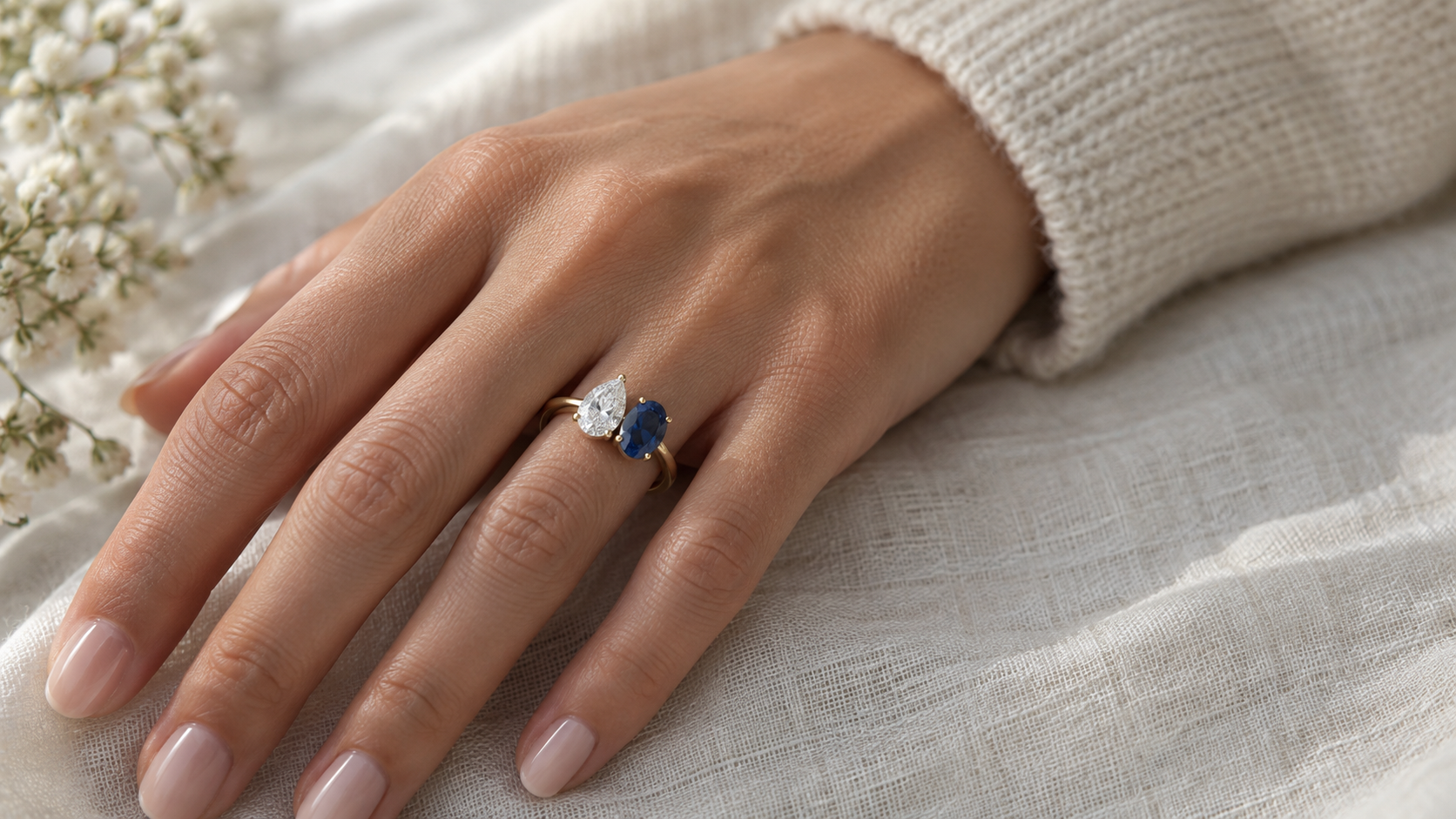
Steps to Design Around a Stone You Already Have
1. Have the Stone Inspected and Recorded
A professional should look at the stone before doing any design work. An inspection evaluates its condition and determines whether it is suitable for resetting. An appraisal records its details for insurance purposes. Older stones, in particular, may have chips or abrasions, thin girdles or inclusions that affect how safely they can be mounted. This is not a reason to give up on a stone, since many can be reset successfully, but it shapes every choice that follows. Take your own photos and measurements too, so you have a record of the stone before it leaves your hands.
2. Decide Whether to Keep the Cut as It Is
Many of the heirloom stones were cut in an older style, and the instinct is sometimes to recut them into a modern brilliant. Recutting usually reduces carat weight. One jeweller says old mine and old European cuts lose about 15 to 30 percent of their weight during recutting, which can also diminish the soft, distinctive character that makes those stones special. Jewelry experts normally advise against recutting unless the stone has significant damage, for example, a chipped girdle or deep surface wear. A chip doesn’t mean an automatic recut, so get a clear explanation of the options.
3. Let the Stone Pick the Setting
The shape, size, depth and condition of a stone determine what setting will best protect and display it. A stone with a delicate edge or a chipped girdle may require a bezel or halo to protect the vulnerable areas, while a sturdy stone is suitable for a lighter, more open setting. Resetting is a common heirloom redesign request, and it involves removing a stone from its original setting and setting it in a completely new one. A good jeweller will have a clear idea of what your stone needs.
4. Choose Metal and Supporting Stones to Match the Center Stone
A custom setting allows you to choose the metal and any accent stones to complement the center stone. Warmer stones and antique cuts may feel more at home in yellow or rose gold, while cooler, whiter stones may be better suited to platinum or white gold. Accent stones should support, not fight, the center stone. Their size, spacing and colour are worth careful discussion. Here is where a custom design definitely trumps a pre-made setting. A pre-made setting is made for a standard stone, not yours.
5. See the Design Before the Stone Is Installed
A common process is design, 3D rendering, then hand setting so you can see how your stone will look before any metal is cast. Ask to see the design at each stage and speak up if a proportion or detail feels off. You need to keep your stone safe until you are ready to set it and obtain written documentation when you hand it over.
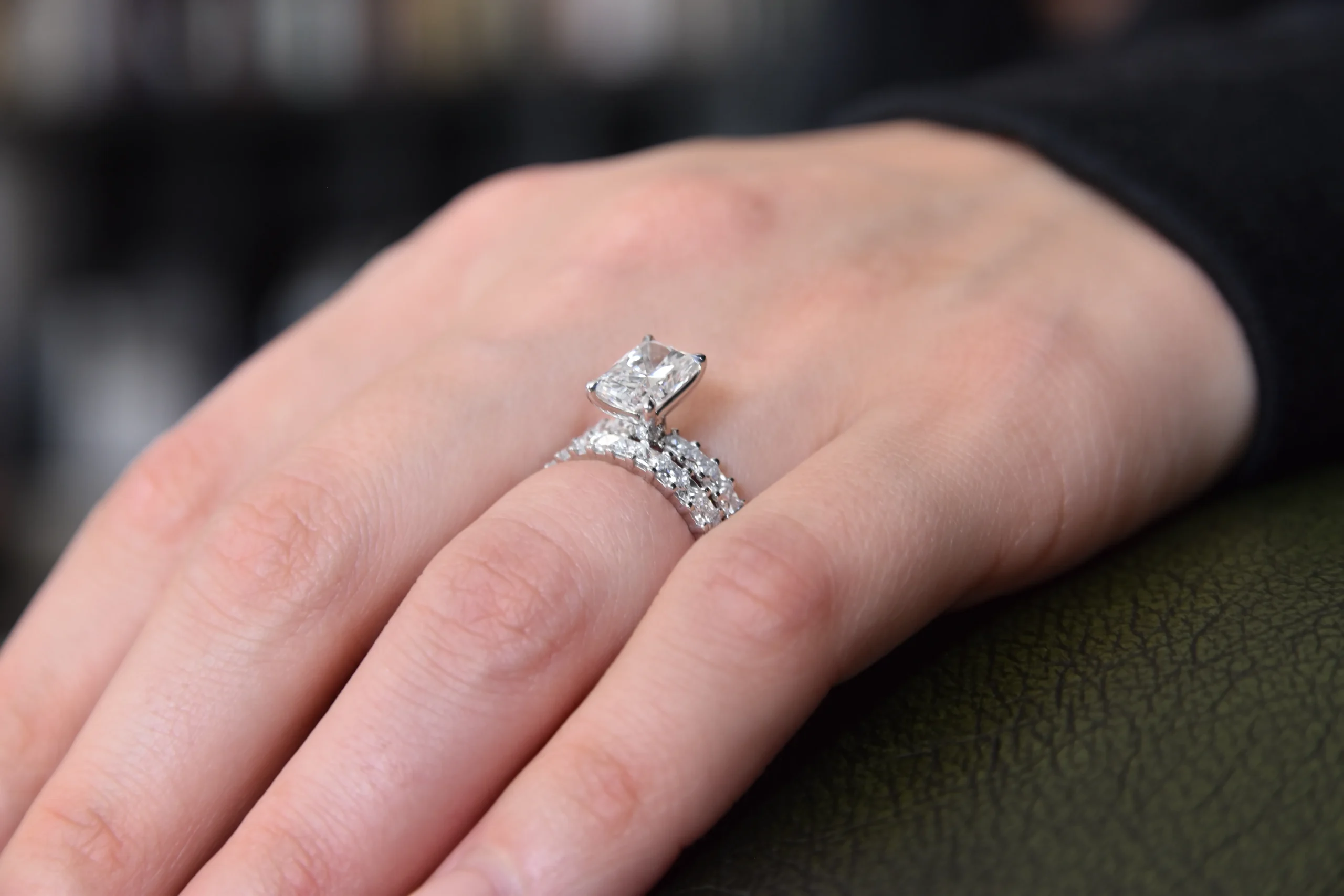
6. Understand the Practical Details: Fees, Insurance, and Timeline
Some jewellers charge a fee for setting a customer’s stone, which may cover inspection, measurement, and setting. Ask about their liability terms separately. It is worth asking about these fees early on. Insurance matters, too: compare your appraisal with your policy’s jewellery limits and exclusions to ensure your completed ring is properly insured. The more complex the design, the longer it takes. Get a written estimate and timeline before you commit.
Questions to Ask Before You Pass a Stone Over
A few direct questions will protect you and the stone.
How will the stone be recorded when received?
Obtain a written description, with photos if possible.
Is the stone insured when it is in the studio?
The issue is who is responsible if something goes wrong.
What happens if the inspection finds a defect?
Any good jeweller will explain the options before doing anything.
Do you charge for setting a stone I bring in?
Know the price before you start designing.
What is your return/refund policy?
This should be clearly stated for a custom order.
Give Your Stone a Setting That Lives Up to Its Story, Only at Solitaire x Alex Armen
Designing a ring with a stone you already own takes a little bit of careful thought: look at and record the stone, think carefully before recutting, let the stone dictate the setting, choose metal and accents to flatter it, and review the design before it is created. When done right, the final ring feels as though it was always meant for that stone.
Solitaire x Alex Armen is a Toronto studio where Alex Armen designs each custom commission one-on-one and approaches thoughtful redesign work with the same level of craftsmanship. While some retail settings are designed for standard stones, a custom studio can create something one-of-a-kind around the stone you already love. Contact Solitaire x Alex Armen to discuss your stone.

Frequently Asked Questions
Can I provide my own diamond for a custom engagement ring?
Yes. Many jewellers routinely set stones supplied by the customer after first checking the condition of the stone and making sure it is suitable for setting.
Do I have to recut an old diamond before I set it?
Normally, no. Experts usually advise against recutting, which reduces carat weight and diminishes the antique character of an older cut, unless the stone has significant damage, such as a chipped girdle.
Will a jeweller charge to set a stone I provide?
Some do. Some don’t. An outside stone’s setting fee usually includes inspection, measurement, and setting. Get the details in writing before the design begins.
Do I need an appraisal before a custom setting?
Highly recommended. An appraisal is useful for insurance and is a record of the stone, but compare it to your policy’s jewellery limits and exclusions.
