
Choosing the perfect center stone used to be a straightforward decision, but the rise of high-quality alternatives has transformed the landscape of modern fine jewelry. Today, the choice between Natural Diamonds, Lab-Grown Diamonds, and Moissanite Diamonds isn’t about choosing the better option but rather depends more on preferences, lifestyles, and budget. While these stones may look similar, there are major differences that set them apart. Read below to learn more about all these diamond types, allowing yourself to make the right decision next time you go diamond shopping.
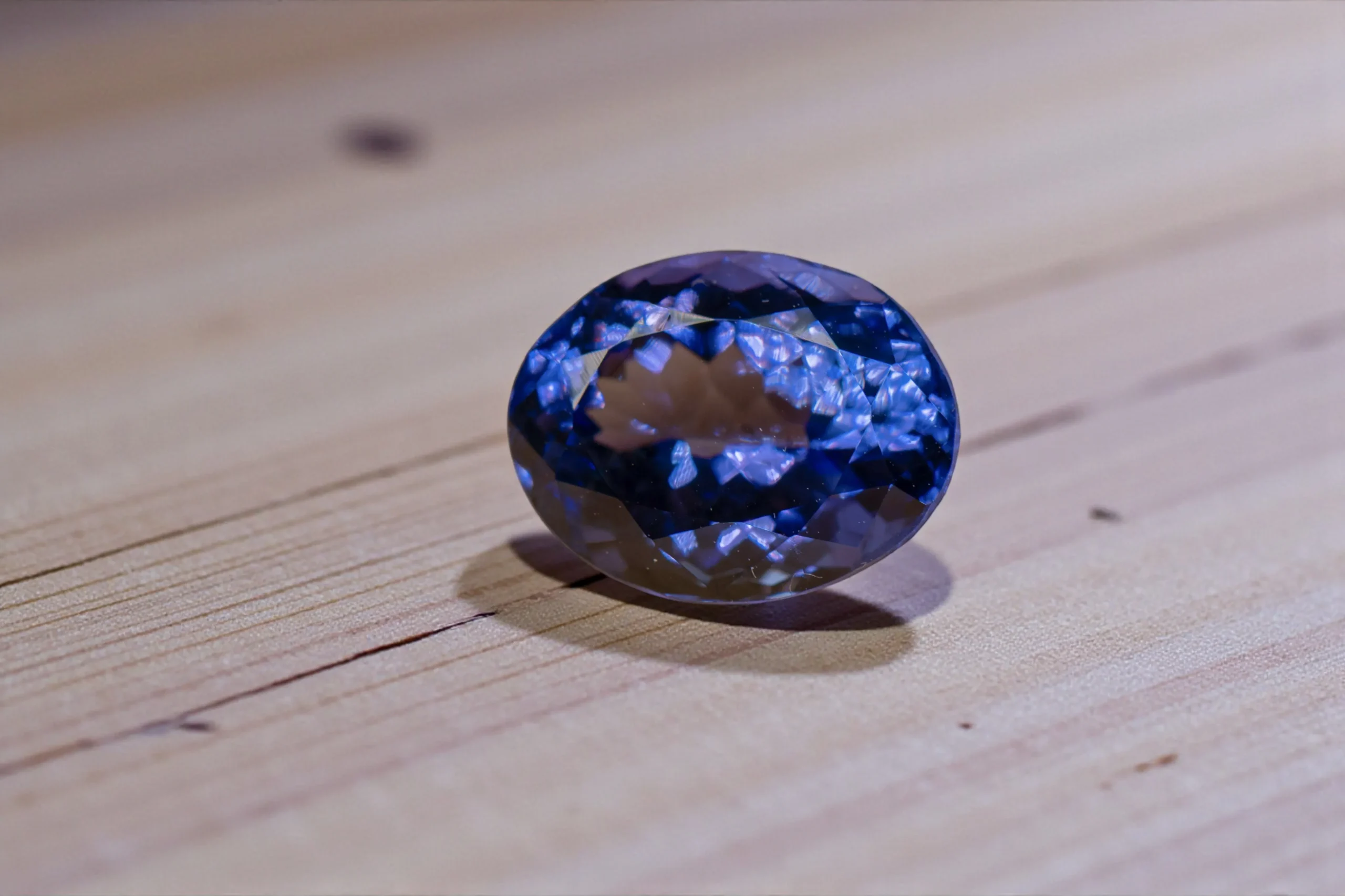
Introduction to Moissanite vs Lab vs Natural Diamonds
The world of jewelry has changed rapidly over the last decade. Natural diamonds were for a long time the only serious option for engagement rings and luxury pieces. But as technology improved, lab-grown diamonds became chemically identical to their mined cousins, offering a more accessible price point. Meanwhile, moissanite, a stone first discovered in a meteorite, emerged as a popular high-performance gemstone that offers more fire than any diamond at a fraction of the price.
It’s important to understand these options because each stone tells a different story. A natural diamond is a billion-year trip from deep within the earth. A lab diamond is the result of human ingenuity and ethical transparency. For those who want maximum visual impact without the high-end investment, moissanite is a daring, dazzling alternative.
The Basic Differences
When comparing these stones, they may all appear as beautiful, white gemstones. The technical differences, however, affect how they age and how they react to light. They are different in five main ways.
Chemical Composition and Source
Natural Diamonds: Natural diamonds are made of 100% pure carbon, and are created under extreme heat and pressure over billions of years.
Lab Diamonds: They are also 100% pure carbon. They are grown in controlled laboratory environments using high-pressure or gas deposition methods. Lab diamonds are, in every respect, identical to natural diamonds.
Moissanite: This is a totally different mineral called silicon carbide. It looks like a diamond but its atomic structure is completely different.
The Sparkle Factor (Brightness & Fire)
The refractive index is a measure of the way light passes through a stone. Diamonds (natural and lab) have a refractive index of 2.42, which gives a classic, balanced white sparkle. Moissanite has a higher refractive index, 2.65-2.69. This creates the so-called disco-ball effect, with the stone emitting intense flashes of rainbow-coloured light.
Hardness and Durability
Durability is rated on the Mohs scale from 1 to 10.
Diamonds: They score the perfect 10. They’re the hardest material on earth, and they resist scratching very well.
Moissanite: It rates 9.25 on the Mohs scale. It’s incredibly tough and great for everyday wear, but technically softer than a diamond and may, in rare cases, show minor surface wear over many decades.
Pricing and Cost
Price is often the deciding factor. Natural diamonds are expensive because they are rare and expensive to extract. Lab diamonds are typically 60-80% less expensive than natural diamonds. Moissanite is the most affordable, generally retailing for about 10% of the price of a natural diamond. Resale value: Natural diamonds have the most resale value over time, and moissanite has very little resale value.
Certification Criteria
Lab and natural diamonds are made of the same material, and graded by the same world-renowned labs (like the GIA or IGI) using the 4Cs (Cut, Colour, Clarity, and Carat). Moissanite is generally graded by its manufacturers, so you might not always get an independent third-party quality report.
How to Choose the Right Diamond?
Go with a Natural Diamond if:
You love the rarity and traditional symbolism of a stone born of nature.
You want a gem that will likely keep some of its financial value as an heirloom.
You like the cachet of a mined diamond.
Select a Lab-Grown Diamond if:
You want a real diamond, but your budget doesn’t stretch to the same size in a natural stone.
You care about ethical transparency and a smaller environmental footprint.
You want the classic, sophisticated white sparkle of a diamond and not flashes of rainbow.
Consider Moissanite if:
You want a huge, flashy stone that doesn’t cost an arm and a leg.
You love the bright, fiery sparkle that flashes in the sun.
You prefer to spend your budget on a more detailed or higher-end custom metal setting than the center stone.
Ready to Choose the Right Diamond? Let Solitaire x Alex Armen Make Things Easier For You!
There is no best stone, but there is only the best stone for your story. Natural diamonds offer a historical tie, lab diamonds offer modern value, and moissanite offers unparalleled brilliance for the budget-conscious. As a custom jeweller, the goal is always to ensure the stone is right for the wearer’s lifestyle. No matter the timelessness of the earth or the innovation of the lab, your ring should be a reflection of your personal taste and the life you’re building.
The world of gemstones can be a confusing one, but it doesn’t have to be. At Solitaire x Alex Armen, we are committed to making the custom design process transparent, educational & fun. Whether you’re looking for a rare natural stone or want to explore the world of lab-grown options, our expert team is here to help. We are dedicated to providing the highest-quality materials to ensure your custom piece is as durable as it is beautiful.
Visit us at our Toronto studio, or contact us online to schedule a consultation. Let us help you find the stone that perfectly balances your style, your values, and your budget.
FAQs
Is it possible to distinguish a moissanite from a diamond by sight alone?
It is difficult to see with the naked eye, but moissanite reflects more colourful, rainbow light. Moissanite also has double refraction, which diamonds lack, under a jeweller’s loupe.
Is Moissanite a fake diamond?
No, moissanite is a unique gemstone. It is often used as a diamond simulant, but it is not a simulant like cubic zirconia; it has its own chemical properties.
Is moissanite scratch-resistant?
Moissanite is harder than rubies and sapphires, scoring 9.25 on the Mohs scale. It is very scratch-resistant and one of the most durable gemstones available for everyday wear.
