
Most people think of blue, but sapphire is one of the most colourful gemstones in the world. It comes in pink, yellow, green, orange, purple and a rare pink-orange called padparadscha. It is also available in a colourless variety. It’s a hard stone associated with romance for centuries, and that colour palette is a huge part of what makes sapphire engagement rings so personal. This article will walk you through each sapphire colour, how to assess quality, what you need to know about treatments, and how to choose a setting that complements the colour you love.
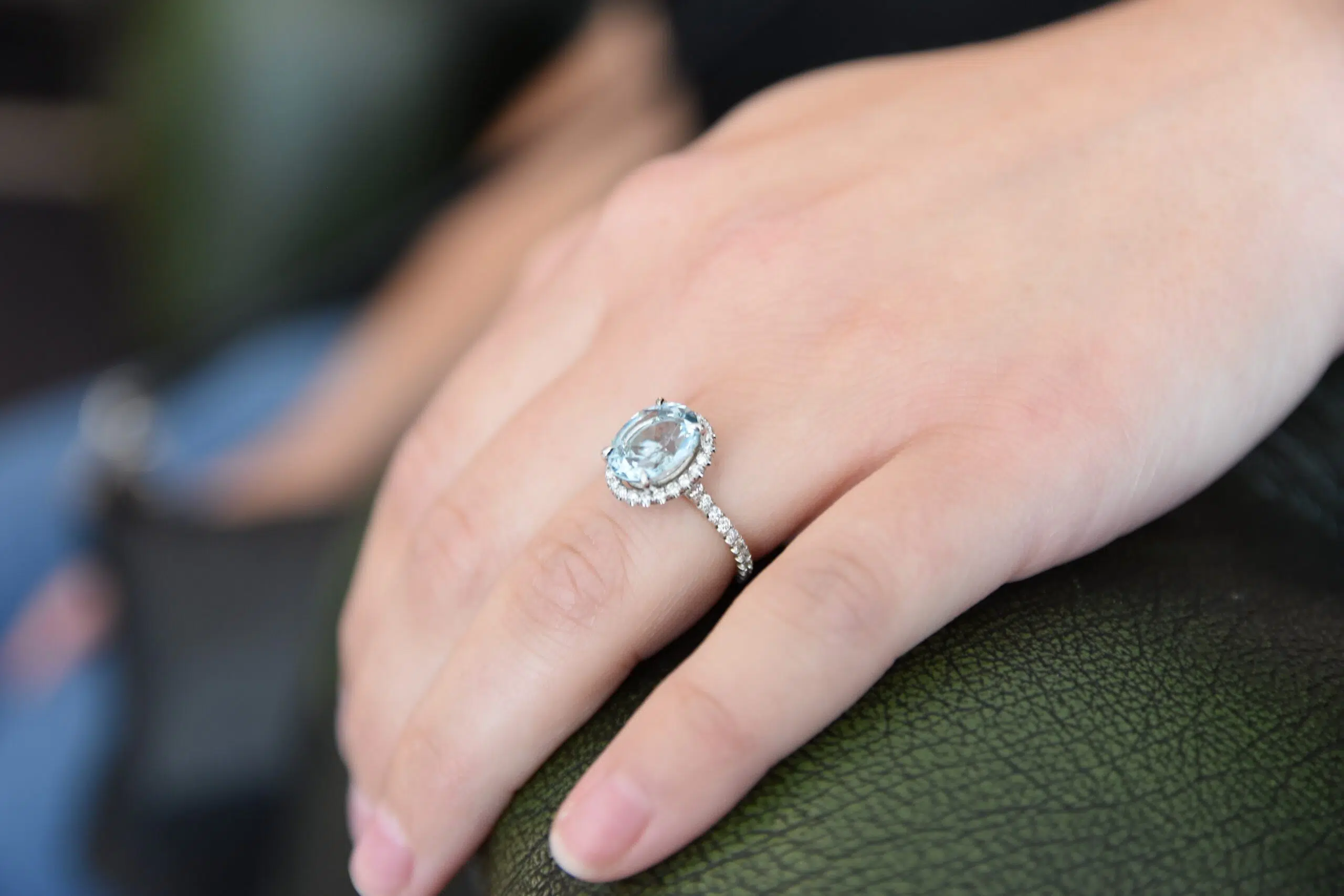
Sapphire Colours for an Engagement Ring: From Blue to Padparadscha
What Is a Sapphire?
Sapphire and ruby are both forms of the mineral corundum. Red corundum is ruby, and all other colours of corundum, including colourless corundum, are sapphire. Non-blue sapphires are known as fancy sapphires, and can be any colour (except red). Fancy colours include pink, orange, yellow, green, and purple. The more intense and uniform the colour, the more valuable the stone tends to be in every colour.
Blue Sapphires
The classic. The best blue sapphires are medium to medium-dark tones of velvety blue to violetish blue, with strong to vivid saturation. Stones that are too light or too dark are generally less valuable. Grayish stones are generally less desirable. Kashmir is the best-known source of fine blue sapphires (and commands the highest premium), but Myanmar, Sri Lanka, and Madagascar are also well known (each source produces a wide range of quality). Blue sapphires often include inclusions, and completely clean stones are rare.
Pink and Purple Sapphires
Pink sapphires range from light pink to strong, vivid pink. The distinction between pink sapphire and ruby can depend on gemological classification standards. Saturation can be soft, blush-like, or strong and vivid. Purple sapphires always have purple as the dominant colour, ranging from reddish purple to violetish purple. Pink is a popular choice for those wanting a softer, romantic alternative to blue.
Padparadscha Sapphires
Padparadscha is an extremely rare blend of pink and orange, sometimes described as salmon or sunset. The name comes from the Sanskrit word for the colour of a lotus blossom. The colour typically ranges from light to medium pinkish-orange to orange-pink. It can command a much higher value than many other fine sapphires. There is always debate about the definition of padparadscha, so if this is the stone you want, you will want a lab report confirming whether it meets the laboratory’s criteria.
Yellow and Orange Sapphires
Yellow sapphires can be greenish yellow to orangy yellow. The best yellow sapphires are yellow to orangy yellow with vivid saturation. Orange sapphires come in shades from yellowish orange to red-orange, and the best are a strong, pure orange to red-orange. These warm colours suit anyone looking for something bright and sunny, and they look beautiful with yellow gold.
Green Sapphires
Green sapphires get their colour from a mix of yellow and blue. Uniformly green, richly saturated stones are rare and highly prized by many collectors. Some commercial stones are greenish blue, so it helps to look closely at how green the stone looks face up.
White (Colourless) Sapphires
In trade, colourless corundum is called white sapphire. It offers a clear, bright look in a durable stone for those who want something different from a diamond but still want a pale, classic look.
Star and Colour-Change Sapphires
Colour-change sapphires change in different light, typically from blue to violet in daylight to purple under incandescent light. The strength of the change is the most important quality factor. Star sapphires are cut as smooth, domed cabochons, not faceted, to show a star-shaped effect called asterism caused by microscopic needle-like inclusions. This distinctive star effect makes them an unusual choice for an engagement ring.
How to Judge Sapphire Colour
Colour is the most important quality factor in sapphires. Look for three things: hue, which is the colour itself; tone, which is how light or dark it is; and saturation, which is how intense it is. The best stones have the greatest saturation without darkening the colour and dulling the brightness. In general, dark colours such as navy or midnight blue and less saturated colours such as grayish blue or straw yellow are less expensive than vivid colours. Look at stones side by side, in natural light and indoor light, as the colour may look different in each.
Sapphire Treatments and Lab Results
Many sapphires on the market, both blue and fancy-coloured, have been treated to enhance their colour. Heat treatment is common and widely accepted. Another is lattice diffusion, where heat and chemicals diffuse a colour-causing element into the stone. Stones treated this way tend to cost less. For fine stones, the absence of detectable evidence of heat treatment in an independent laboratory report adds rarity and value. Ask about treatment. If you have any doubt, ask for a lab report. Unlike diamonds, gemological laboratories do not grade coloured stones. Instead, identification reports describe the stone’s characteristics, note whether it is natural or lab-grown, note detectable treatments, and, upon request, may include an opinion on origin.
Is Sapphire Durable Enough for an Engagement Ring?
Yes. Corundum has a hardness rating of 9 on the Mohs scale, making sapphire a durable option for jewellery worn daily. However, hardness and toughness are different properties, and sapphires can still chip or fracture if struck hard. Most sapphires can be safely cleaned with warm soapy water. Stones that have been fracture-filled, cavity-filled or dyed should be cleaned with a damp cloth only.
Choosing Your Sapphire Colour’s Setting and Metal
Metal changes the look of a sapphire. White metals such as platinum and white gold tend to accentuate the coolness of blue and the clarity of colourless stones. Yellow gold suits yellow, orange, and green sapphires, and rose gold pairs well with pink and padparadscha. A halo, side stones or a three-stone setting can enhance the appearance of the sapphire’s colour, and a bezel setting offers extra protection for active hands. These are guidelines, not rules, and the right choice is the one that looks best with your stone.
Sapphire Cut, Clarity and Carat Weight
Cuts count. A well-cut sapphire can display attractive brilliance, depending on its proportions, colour zoning and inclusions. Cutters work around colour zoning and pleochroism to show the best colour. Inclusions are common, and they reduce value primarily when they threaten durability or make the stone cloudy. Most blue sapphires of commercial quality are under five carats, and large, fine-quality stones are rare, so size makes a big difference in price.
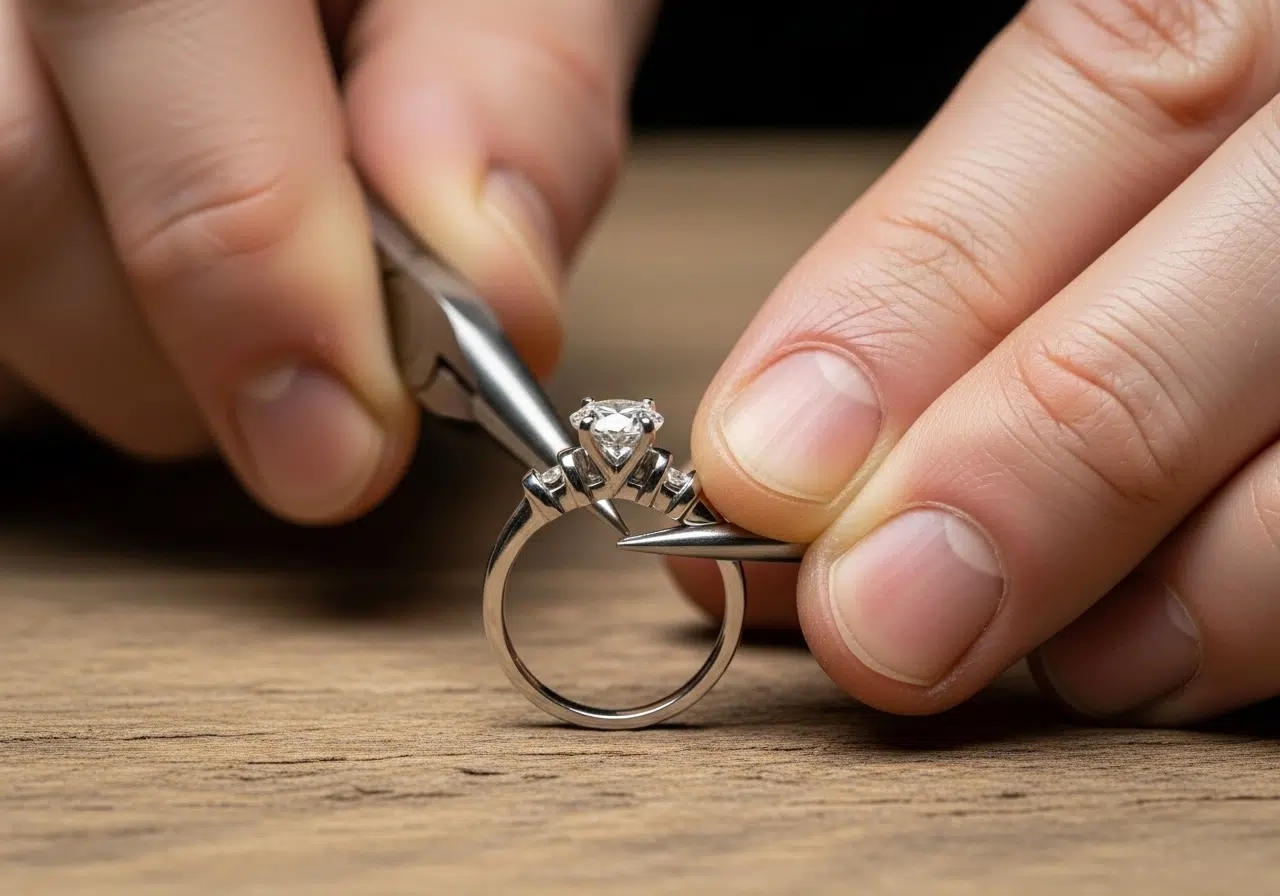
Questions to Ask Before Purchasing a Sapphire Engagement Ring
A few questions will help you choose in confidence.
Is the Colour Natural, and What Treatments Has the Stone Undergone?
Request written disclosure of any treatments the stone has undergone.
Is There a Lab Report?
Ask what it says about treatment and source.
Can I See the Stone in Different Lights?
Colour can appear different under different lighting conditions.
How Will You Mount and Secure the Stone?
Ask about prongs, bezels and care.
What Are Your Return and Warranty Policies?
Learn about them before you commit.
Find the Sapphire Colour That Represents You, Only at Solitaire x Alex Armen
Sapphire engagement rings come in a larger palette than almost any other gemstone: a classic velvety blue, a soft pink, a warm yellow, a rare padparadscha or a colourless stone. A good choice means looking closely at colour, asking about treatments, and choosing a setting that suits your life.
At Solitaire x Alex Armen, we source sapphires, including blue, yellow, green, and padparadscha, and design each custom engagement ring one-on-one. We are happy to walk you through the colours side by side so you can see how hue, tone and saturation differ before you decide. We make every ring just for you, so it’s one of a kind—not something you can pick up off a shelf. Contact us to start the conversation about your sapphire, and we’ll help you find the right colour.
Frequently Asked Questions
Which Colour Is Never Classified as Sapphire?
Red. Red corundum is called ruby. All other colours of corundum, like pink, yellow, green, orange, purple and colourless, are called sapphire.
What Is the Most Valuable Colour of Sapphire?
Colour is the single most important factor in determining value. The best blue sapphires are a velvety blue to violetish blue in medium to medium-dark tones and with strong to vivid saturation. Padparadscha, a rare pink-orange sapphire, can also be more valuable than many other fancy sapphires.
Are Sapphires Durable Enough for an Engagement Ring?
Yes. Sapphire is a very hard and durable gemstone. It rates 9 on the Mohs scale and is a good choice for everyday jewellery, though it can still chip or fracture if struck hard.
Is Heat Treatment Normal for Sapphires?
Yes. Heat treatment is an accepted and widely used treatment. It should be disclosed, and independent confirmation that no evidence of heat treatment has been detected adds to the rarity and value of fine stones.
How Can You Tell If a Padparadscha Sapphire Is Real?
Padparadscha has always had a disputed definition, so get a lab report. An identification report can state whether a stone meets the laboratory’s criteria for padparadscha classification.
